Population Research Discovery Seminars
Navigating the Double-Edge of Statistics: Indigenous Health, Patient Activism, and Collective Care in Chile
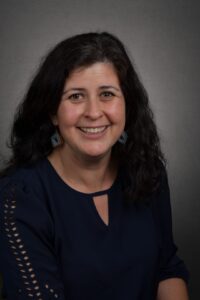
Paula Saravia, Assistant Teaching Professor of Sociocultural Anthropology, University of Washington
Parrington Hall Room 360
To Join By Zoom: Register HERE
12/04/2026
12:30-1:30 PM PT
360 Parrington Hall
Co-Sponsor(s):
This presentation examines the ambivalent role of statistics in Indigenous health advocacy in Chile. Drawing on ethnographic research with Indigenous patient organizations, I explore how activists strategically mobilize the limited epidemiological data and health indicators available about Indigenous populations to make disparities visible, secure recognition, and advocate for equitable healthcare access. While statistical evidence can be a powerful tool in negotiations with state institutions, it also tends to reduce complex experiences of illness, care, and inequality to measurable categories that often fail to reflect Indigenous understandings of well-being. Moreover, an emphasis on statistical evidence can obscure the role of patients as knowledge producers, limiting recognition of the experiential and community-based forms of expertise they generate.
Focusing on Indigenous patient activism, I show how communities navigate this tension by engaging the language of evidence and quantification while simultaneously cultivating forms of collective care that extend beyond biomedical frameworks. These practices reveal both the possibilities and limitations of statistical knowledge as a vehicle for health justice at the local, national, and international levels. I argue that Indigenous activism in Chile is not only a struggle for representation within existing healthcare structures but also an effort to sustain relational forms of care grounded in reciprocity, community responsibility, and collective well-being. In doing so, this presentation contributes to anthropological debates on the politics of medical knowledge, Indigenous health, patient expertise, and the role of data in contemporary neoliberal governance.
Paula Francisca Saravia is an Assistant Teaching Professor in the Department of Anthropology at the University of Washington, Seattle. She is a medical anthropologist whose research focuses on lived experiences of environmental precarity, Indigenous healing practices, and collective forms of care and healing. She holds a Ph.D. in Anthropology from the University of California, San Diego, and her work bridges academic scholarship with community engagement and advocacy.
Paula received her undergraduate training in social anthropology at the Universidad de Chile, where she specialized in medical anthropology, later working on poverty reduction programs and teaching as a Lecturer. In 2006, she was awarded an Erasmus Mundus grant from the European Union to pursue the interdisciplinary master’s program Phoenix Dynamics of Health and Welfare. Her doctoral research examined tuberculosis illness experiences and modes of sociopolitical engagement within Aymara communities in Bolivia and Chile. Her current research explores the complexities of care amid environmental precarity among Indigenous communities in Chile, examining the role of language in healing, Indigenous wellbeing, and the sociopolitical relationships Indigenous communities forge with state institutions and local actors.