News & Events Blog
CSDE curates and summarizes local demography news and opportunities for our News & Events blog. To get these stories delivered straight to your inbox each week, Subscribe to our Newsletter.
| Catron and Li Publish Article on Who Benefits from Citizenship in the Early-Twentieth-Century United States |
November 20th, 2026 CSDE Research |
|
When: 11/17/2026
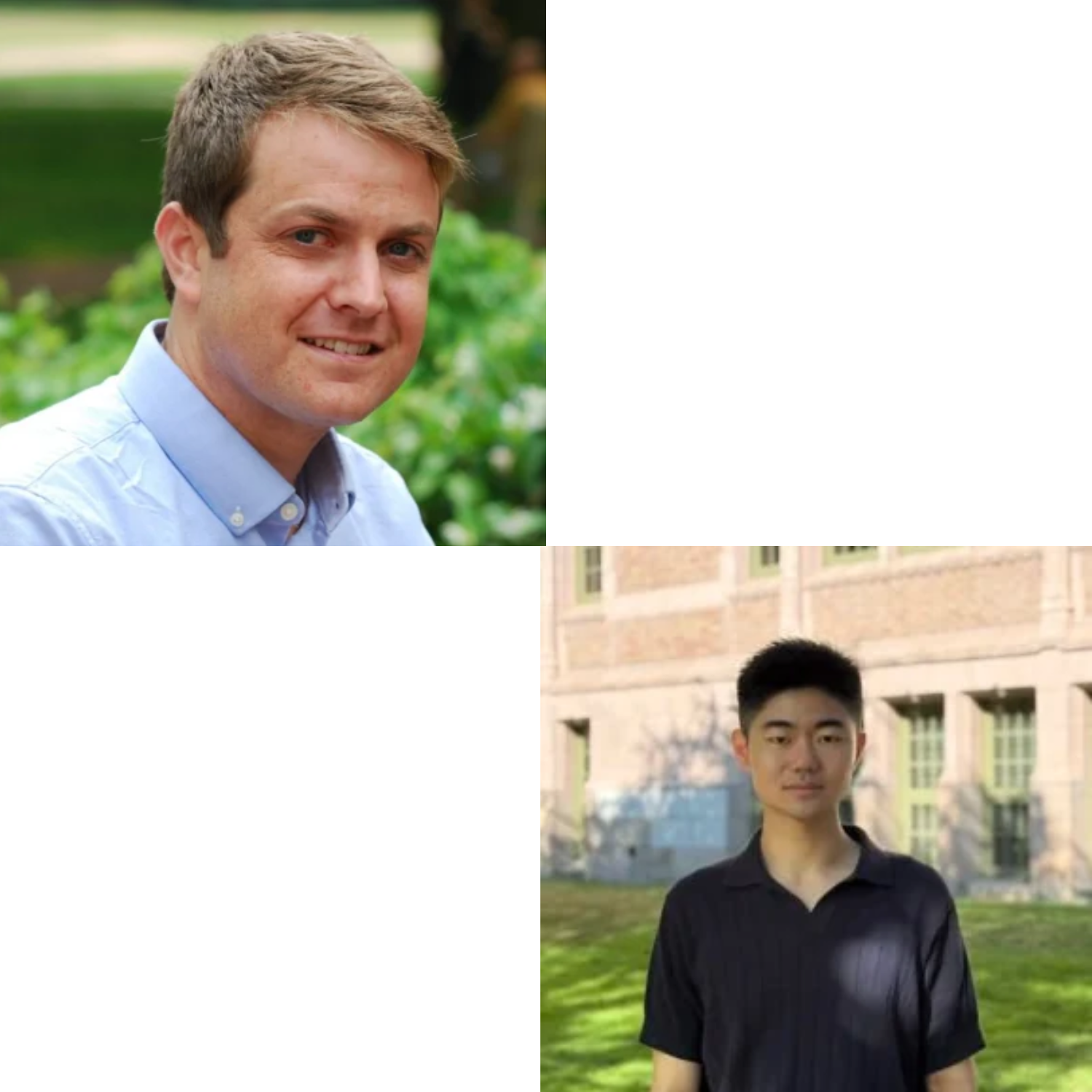
CSDE Affiliate Peter Catron (Sociology) and CSDE Graduate Trainee Mingze Li (Sociology) recently published a research article in the American Sociological Review titled, “Who Benefits from Citizenship? Varying Effects of Naturalization Decisions in the Early-Twentieth-Century United States.” Citizenship is widely seen as a way to improve immigrants’ economic outcomes, but little is known about whether its benefits are shared evenly. To find out, the authors built a novel historical dataset from naturalization records in New York City’s Southern District in the early 1900s, |
|
| Richey, Adhia, Ellyson, and Santaularia Gomez Publish Article on Increasing Language Access for Intimate Partner Violence Support Services |
November 20th, 2026 CSDE Research |
|
When: 11/17/2026
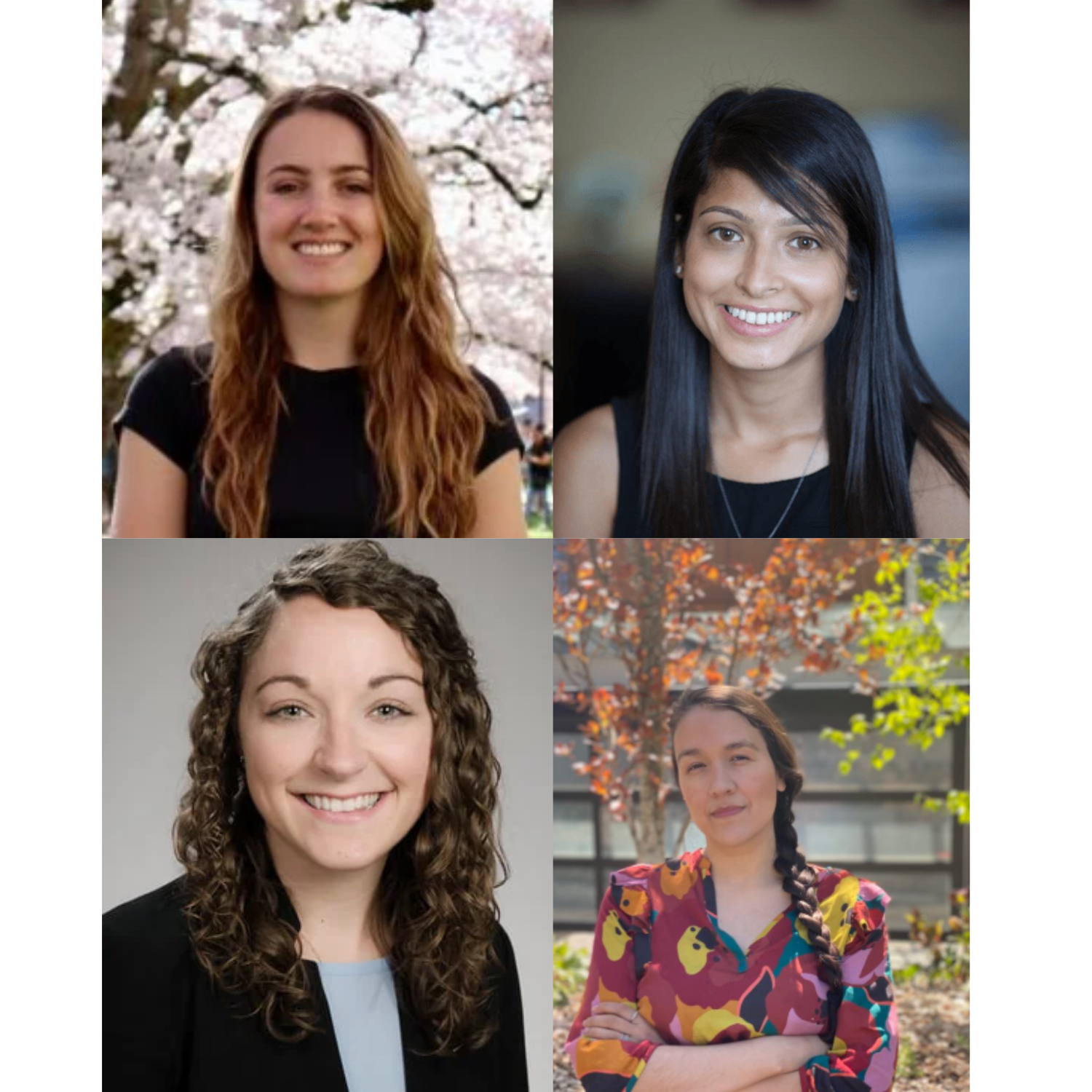
CSDE Graduate Trainee Ann Richey (Epidemiology) and CSDE Affiliates Avanti Adhia (Child, Family, and Population Health Nursing), Alice Ellyson (Pediatrics), and Jeanie Santaularia Gomez (Epidemiology), along with co-authors, recently published a scoping review in Trauma, Violence, & Abuse titled, “Increasing Language Access for Intimate Partner Violence Support Services: A Scoping Review.” Survivors of intimate partner violence (IPV) face many barriers to accessing services, particularly where services are offered only in English. |
|
| *New* CSDE Autumn 2026 Lightning Talks and Poster Session (12/11/26) |
November 20th, 2026 CSDE Seminar Series |
|
When: 12/11/2026 12:30-1:30 PM PT Where: Raitt Hall 221 CSDE Autumn 2026 Lightning Talks and Poster Session is being held on Friday, December 11, 2026; 12:30-1:30 in Raitt 221. The event will feature presentations from current students doing research related to demography or population health. If you are interested in presenting a poster, apply here. This year the Lightning Talks is being organized by Tynan Challenor, CSDE Trainee and T32 Fellow. Tynan Challenor is a PhD student in economics, |
|

| *New* Census Proposes Elimination of Questions on Annual Business Survey (Comments Due 12/21) |
November 20th, 2026 CSDE Research |
|
When: 11/22/2026
The US Census is proposing to remove questions about business owners’ race, ethnicity, sex, age, place of birth, and citizenship from the Annual Business Survey (ABS), beginning with the 2026 survey, and instead produce demographic estimates using administrative records. Questions about disability and education will remain for now, although Census plans to explore replacing additional survey questions with administrative data in future years. To read the proposed changes visit the Federal Register and you can submit your comments at that link, |
|
| *New* Senior Data Scientist – State of WA Office of Financial Management (11/24/26) |
November 20th, 2026 Employment |
|
When: 11/24/2026 Where: Thurston County – Olympia, WA |
|
| Call for Proposals: Health and Extreme Weather Research (Ongoing) |
November 20th, 2026 Funding |
| UW Population Health Initiative Opens Accelerator Grants Funding Call: Letters of Intent Due February 1 |
November 20th, 2026 Funding |
|
When: 11/05/2026
The UW Population Health Initiative has opened a new funding call for its Accelerator grants program, which supports ambitious, interdisciplinary projects with the potential to produce transformative advances in population health. Unlike traditional pilot programs, which focus on proof-of-concept work or scaling existing efforts, Accelerator grants are designed to catalyze high-impact opportunities that build on UW-distinctive strengths. Proposals may carry more uncertainty than a typical pilot, but applicants must demonstrate a credible plan and a clear pathway to meaningful population health impact. |
|
| Navigating the Double-Edge of Statistics: Indigenous Health, Patient Activism, and Collective Care in Chile – Paula Saravia |
November 20th, 2026 CSDE Seminar Series |
|
When: 12/04/2026 12:30-1:30 PM PT Where: Parrington Hall 360 When: Friday, 12/04/2026 @ 12:30-1:30 PM PT We are looking forward to hosting Paula Saravia (Assistant Teaching Professor of Sociocultural Anthropology, University of Washington) on Friday, Dec. 4th in Parrington Hall 360 and on Zoom. This seminar is co-sponsored by the Population Health Initiative. This presentation examines the ambivalent role of statistics in Indigenous health advocacy in Chile. |
|
| Swanson Interviews Arni Rao on New Book, Mathematical Demography: Theory and Modeling, in Springer Nature Research Communities |
November 20th, 2026 CSDE Research |
|
When: 11/17/2026
CSDE External Affiliate David Swanson (Professor Emeritus, Sociology, University of California, Riverside) recently conducted a conversation with another CSDE External Affiliate, Arni S. R. Srinivasa Rao (Professor and Director of the Laboratory for Theory and Mathematical Modeling at the Medical College of Georgia), about Rao’s new textbook, Mathematical Demography: Theory and Modeling (Springer, 2026). The conversation was published in Springer Nature Research Communities. Dr. Rao describes a book that introduces the mathematical and stochastic foundations of population biology and demography, |
|

| Glass Co-Authors Short Report on Patterns of Mortality for Children and Adolescents in Early 20th-Century Alaska |
November 20th, 2026 CSDE Research |
|
When: 11/17/2026
CSDE External Affiliate Delaney Glass (Biocultural Medical Anthropology, University of Toronto) and co-authors, led by Taylor P. van Doren, recently published a short report in the American Journal of Human Biology titled, “Patterns of Mortality for Children and Adolescents in Early 20th-Century Alaska.” Although the odds of death from specific causes among Alaskan infants, children, and adolescents had not previously been quantified with vital records, the authors analyzed 12,904 death records of individuals aged 18 and younger. |
|