With over 100 Research Affiliates from various disciplines under its wing, CSDE proudly supports a broad spectrum of demographic research. Check out some of our scholars’ accomplishments and news coverage below.
CSDE Research Highlights
| Ward and Team Led by Chen Publish Article on a Conversational Agent for Family Caregivers of Children With Chronic Health Conditions | October 14th, 2026 |
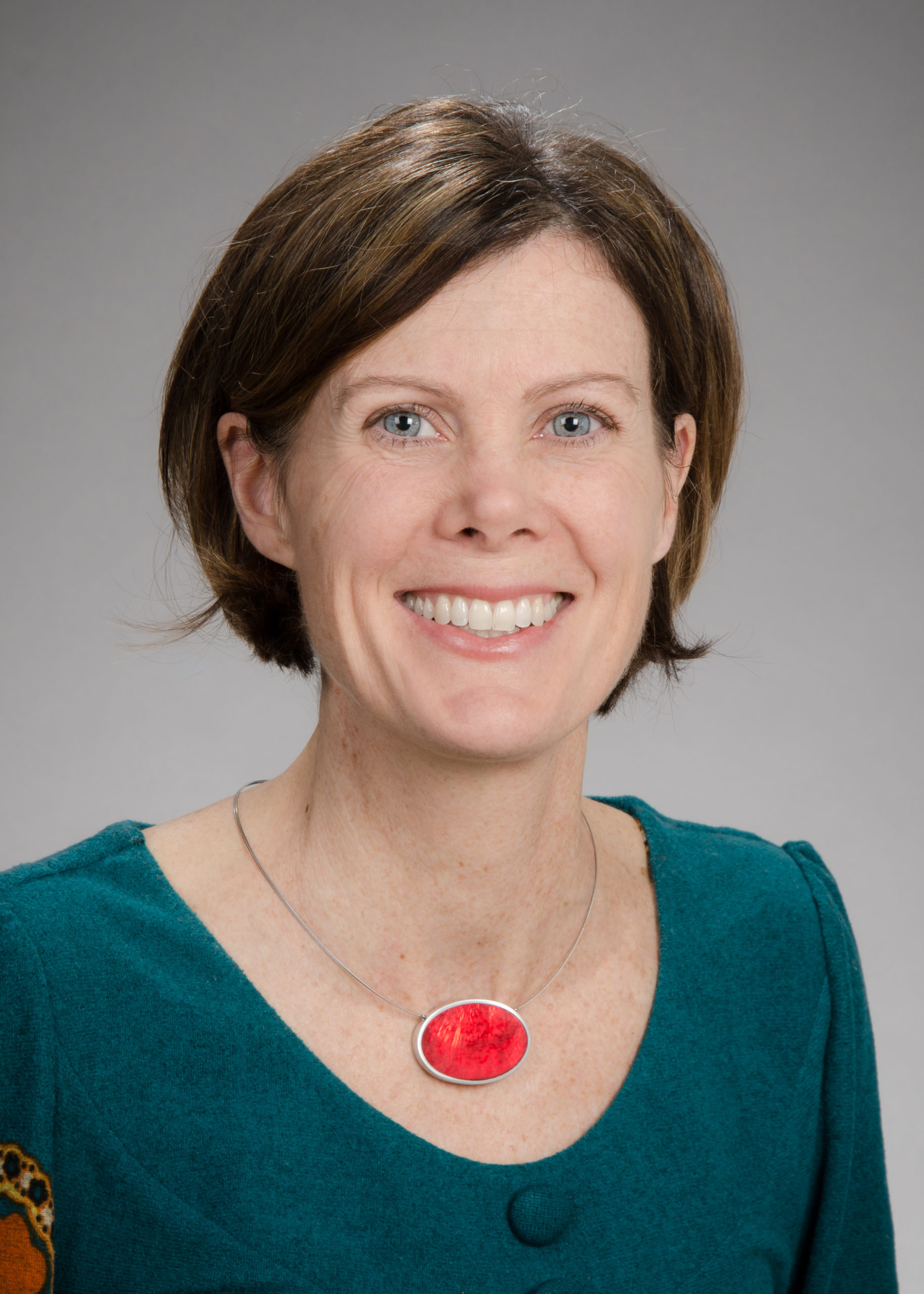
CSDE Affiliate Teresa Ward (School of Medicine) and co-authors, led by Dr. Weichao Yuwen (School of Nursing & Healthcare Leadership, University of Washington Tacoma) recently published a research article in the Journal of Medical Internet Research titled, “Development and Preliminary Evaluation of a Conversational Agent Delivering Problem-Solving Therapy for Family Caregivers of Children With a Chronic Health Condition: Multiphase Mixed Methods Study.” Family caregivers of children with chronic health conditions often experience substantial physical and mental health burdens, |
|
| Chua Publishes Article on Incorporating Context and Co-Occurring Internal Processes into Psychophysiological Research | October 14th, 2026 |

CSDE External Affiliate Kristine Joy Chua (Assistant Professor, Anthropology, University of Notre Dame) and co-author Kaylin E. Hill recently published a conceptual paper in Neuroscience & Biobehavioral Reviews titled, “Incorporating Context and Co-Occurring Internal Processes into Psychophysiological Research.” While psychophysiology research has traditionally relied on single measures of specific processes within lab-based settings, the authors draw on complementary expertise from psychology and anthropology to argue for incorporating context and co-occurring internal processes into the field, |
|
| Williams Publishes in JAMA Network Open on Patient Travel Experiences for Methadone Dosing Visits | October 14th, 2026 |

CSDE Affiliate Emily Williams (Health Services) and co-authors recently published a research article in JAMA Network Open titled, “Patient Travel Experiences for Methadone Dosing Visits.” Patients often face travel-related barriers to methadone dosing at opioid treatment programs (OTPs), but little is known about the nature of these experiences. Using an embedded mixed-methods design, the authors surveyed 98 patients and interviewed 16 of them at two OTP sites in Washington state, including mobile units, |
|
| Allard and Hill Publish Article in The Milbank Quarterly on State Labor Market Policies and Health | October 14th, 2026 |
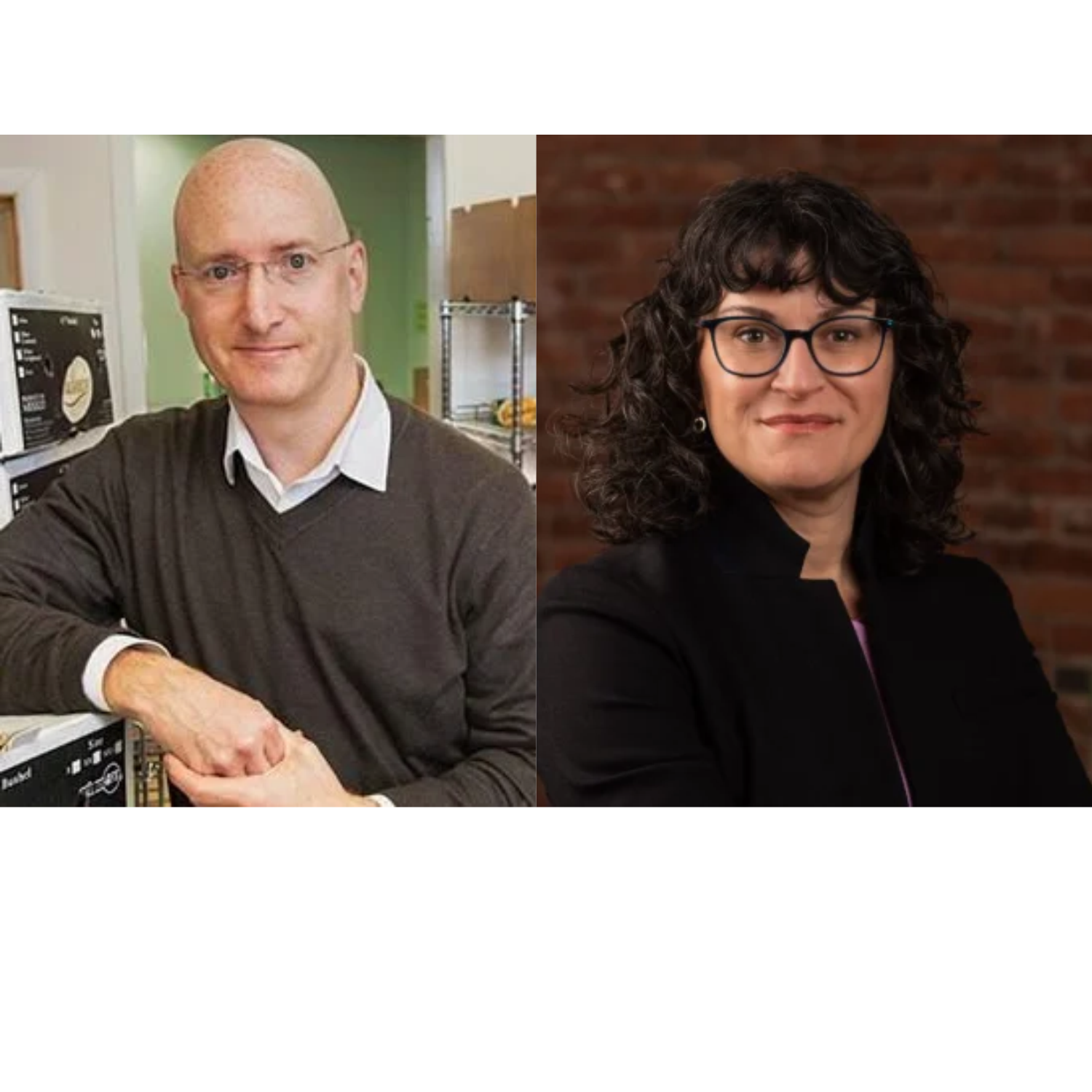
CSDE Affiliates Scott Allard and Heather Hill (Evans School of Public Policy and Governance) recently published a perspective article in The Milbank Quarterly titled, “State Labor Market Policies and Health.” Beginning in the 2000s, state governments started adopting labor market policies such as minimum wage laws, earned income tax credits, paid family and medical leave programs, paid sick leave mandates, and scheduling laws, and the presence or absence of these laws can affect workers’ |
|
| Martin Publishes in Nature on Gut Microbes That Traveled with Humans Out of Africa to the Americas and Are Disappearing in Industrialized Populations | October 14th, 2026 |
CSDE affiliate Melanie Martin (Associate Professor, Anthropology) and colleagues published new research in Nature showing that many gut microbes travelled with humans as they migrated out of Africa and into the Americas, and that industrialized populations are now losing these microbes. The team sequenced gut microbiomes from Tsimane forager-horticulturalists in Bolivia and compared them with those of Hadza hunter-gatherers in Tanzania. Although the ancestors of these two groups separated tens of thousands of years ago, |
|
| Cha Publishes Article on Life-Course Timing of Family Bereavement and Cognitive Impairment | October 9th, 2026 |
|
When: 10/07/2026
CSDE Affiliate and 2026-27 Seminar Series Chair Hyungmin Cha (Sociology) and co-authors recently published a research article in the American Journal of Public Health titled, “Life-Course Timing of Family Bereavement and Cognitive Impairment in Midlife to Later Life.” The study examined whether the timing of a parent’s, child’s, or spouse’s death across the life course is associated with cognitive impairment and dementia later in life. Using 20 years of longitudinal data (2000–2020) from the Health and Retirement Study and competing risks models, |
|
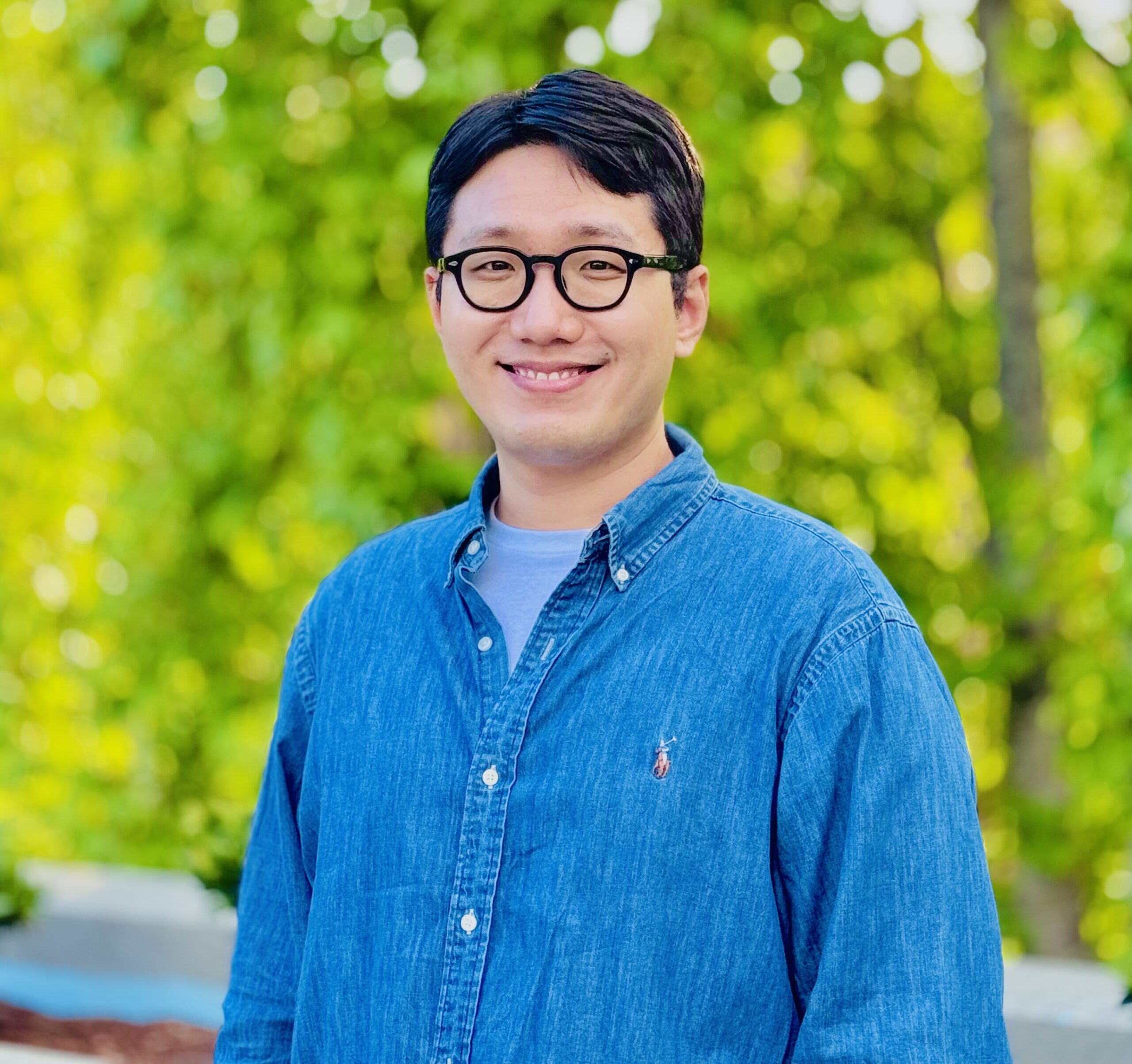
| Almquist, Echo-Hawk, and Belgarde publish report on American Indian and Alaska Native homelessness in King County | October 9th, 2026 |
|
When: 10/07/2026
CSDE Affiliate Zack Almquist (Professor, Sociology), Abigail Echo-Hawk (Director, Urban Indian Health Institute), and Derrick Belgarde (CEO, Chief Seattle Club) have just published a policy report analyzing unsheltered American Indian and Alaska Native (AI/AN) homelessness in King County, Washington. Co-led by the Urban Indian Health Institute, Chief Seattle Club, and the University of Washington, the report reanalyzes the biennial UW/KCRHA King County Point-in-Time (PIT) survey of people experiencing unsheltered homelessness, conducted using respondent-driven sampling, |
|
| Casey Quoted in Prevention on Protecting Yourself from Wildfire Smoke | October 9th, 2026 |
|
When: 09/26/2026
CSDE Affiliate Joan Casey (Department of Environmental and Occupational Health Sciences and Epidemiology) was quoted in a Prevention article titled, “How to Protect Yourself From Wildfire Smoke.” The piece draws on two new studies, one published in The Lancet Oncology and one in Nature Communications, showing that wildfire-related PM2.5 pollution poses greater health risks than PM2.5 from other sources, including higher mortality among older adults with lung cancer and higher hospitalization rates among people with cardiopulmonary conditions following long-term or acute exposure. |
|
| Hess and McConnell Co-Author Paper in Earth’s Future on Research Priorities for Robust Climate Assessments in the United States | October 9th, 2026 |
|
When: 09/03/2026
CSDE Affiliate Jeremy Hess (Environmental and Occupational Health Sciences, Global Health, and Emergency Medicine) and external affiliate Kathryn McConnell (Sociology, University of British Columbia) contributed to a large-scale collaborative paper published in Earth’s Future, titled “Research Priorities for Robust Climate Assessments in the United States,” alongside more than 150 other researchers. Drawing on the expertise of scholars who contributed to the Sixth National Climate Assessment (NCA) and other national and sub-national climate assessment reports, |
|
| *New* Survey on responsible practices in Science & Safety of AI for Science | October 9th, 2026 |

The organizers of a study on responsible practices and AI use in scientific fields from Ai2 (Allen Institute for AI) and Carnegie Mellon University are recruiting interview participants in various scientific fields including:
If you are interested in being interviewed for this study, |
|